When a warning light comes on, reading stored fault codes can give you a starting point. One way to do this is with a car diagnostic scanner. It shows what the control unit has detected. Further checks are needed to confirm the cause.
What does a car diagnostic scanner do?
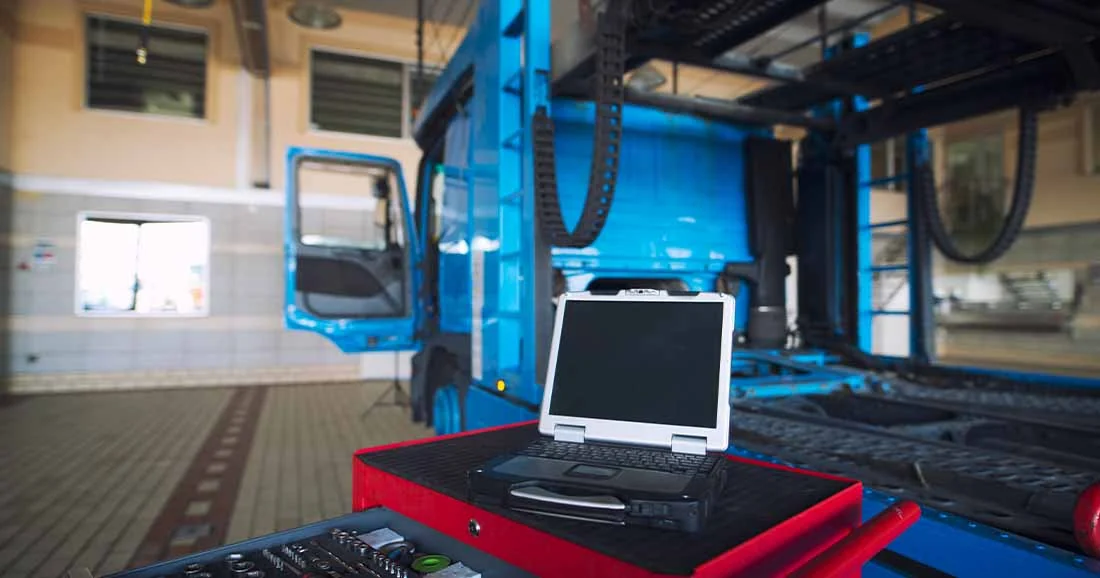
Modern cars use numerous electronic control units. Mechanics often use a car diagnostic scanner to read data and fault codes.
A scanner can reveal issues that are hard to spot by eye. A scan can add useful information when buying a used car. A test drive and a professional inspection are still worthwhile.
A car diagnostic scanner shows stored fault codes and, depending on the model, live data. A fault code describes an issue the car has detected. Further checks help establish whether a particular component has failed.
Options range from basic OBD readers to workshop scanners. The right choice depends on the vehicles you work on and the functions you need.
Which car diagnostic scanner should you choose?
For basic checks, look for a simple car diagnostic scanner. If you need access to other control modules or extra functions, check what the specific model supports.
If you work on several vehicles, consider a multi-make diagnostic scanner. Check support for each make, model, year and control module you need.
For workshop use, compare vehicle coverage and the functions you need. Check the terms for software updates, licences and subscriptions too.
For a single vehicle, a make-specific scanner can be a good fit. Before buying, check support for your model, year, engine and the control modules you want to access.
When is a diagnostic scanner useful?
The car diagnostic scanner can also help you track recurring issues. Note the date, symptoms and codes so you can spot potential problems. These notes can also help a mechanic diagnose the issue.
Some scanners also show live data. Standard OBD diagnostics focus on emissions-related codes and readings. Access to modules such as ABS or airbags depends on what the scanner supports for your vehicle.
Having a reader to hand is useful for making sense of a warning light or noting a code before a garage visit. Clearing the code does not fix the underlying fault.
Before replacing a part, compare the code with the symptoms and the manufacturer’s information. For a brake, steering or airbag warning, arrange a professional inspection.
A scanner is most useful when you use its readings alongside the symptoms and carry out targeted checks. That can help you avoid replacing parts unnecessarily.