Several faults can trigger the anti-pollution warning on a Peugeot 207. This guide explains which components may be involved, depending on the engine, and how the fault is investigated.
How does the Peugeot 207 emissions system work?
The system limits emissions. Its components vary by engine version:
- Particulate filter (FAP or DPF): Where fitted, it traps soot from the exhaust gases.
- Oxygen sensor (lambda sensor): It measures the oxygen remaining in the exhaust. Depending on the system, the ECU uses that reading to adjust the air–fuel mixture in the engine. An inaccurate reading can affect fuel consumption and emissions.
- Catalytic converter: Depending on its design, the catalytic converter converts certain pollutants in the exhaust.
Possible causes of the anti-pollution warning
The warning alone does not identify a failed part. Depending on the engine, possible causes include:
- Crankshaft position sensor fault
The ECU uses the signal to determine engine speed and crankshaft position. A missing or implausible signal may also point to a connection or wiring fault.
- Oxygen sensor fault
An inaccurate reading can affect how the engine manages the mixture. The wiring and connectors should also be checked.
- Blocked particulate filter
On versions with a particulate filter, soot builds up and is removed during regeneration. If regeneration repeatedly fails, the filter can become blocked.
- Catalytic converter fault
A damaged catalytic converter can lose efficiency. Before replacing it, a workshop should check for related engine faults.
What to do when the warning appears
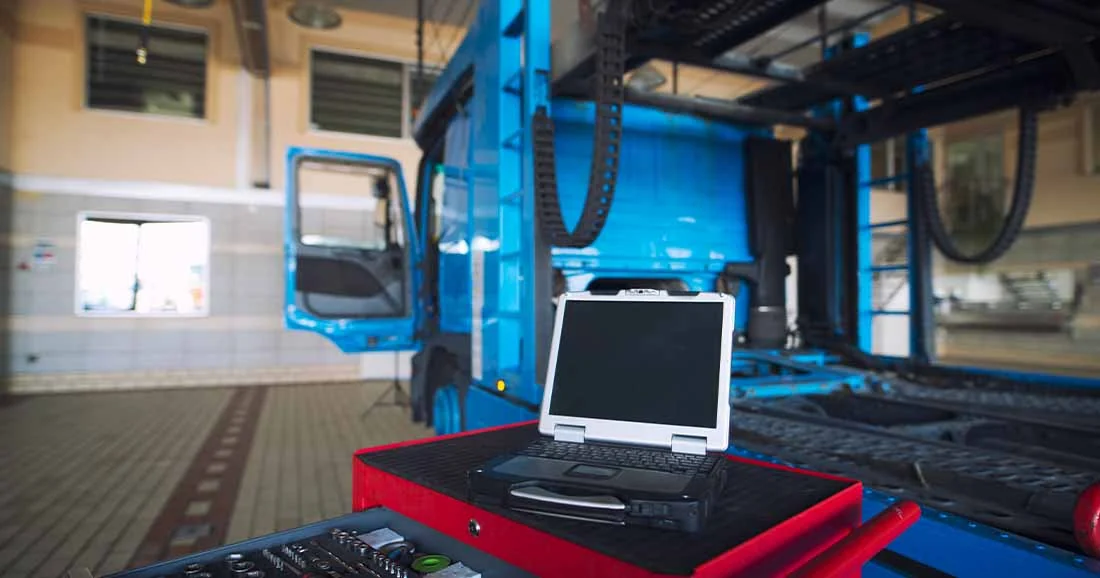
Consult the vehicle handbook. A workshop can read the fault codes and carry out further checks to narrow down the cause.
- Check the crankshaft sensor and its connections
If a fault code points to the crankshaft sensor, check the signal and wiring before replacing the part itself.
- Check the oxygen sensor and its wiring
Have the readings and electrical connections checked. Replace the sensor if testing confirms it has failed.
- Have the particulate filter checked
If the filter is blocked, a workshop can assess whether regeneration is appropriate or whether it needs cleaning or replacement.
Have the catalytic converter checked
Before replacing the converter, confirm that it is at fault and check whether another problem contributed to its failure.
Arrange a diagnosis promptly. Follow the handbook’s guidance on whether to continue driving.