The auxiliary belt drives the alternator and, depending on the engine, other accessories. Whether you can adjust its tension depends on the design.
What the alternator belt does
First identify the belt drive and check the guidance for your engine.
How does the belt transmit power?
The belt runs over pulleys, transmitting engine power to the connected accessories.
It drives the alternator, enabling electricity generation for the vehicle’s electrical systems.
Possible signs of a problem
The following symptoms may call for a belt drive inspection:
- Squealing or scraping noises from the engine bay
- Battery charging or starting problems
- A change in the operation of a belt-driven accessory
- Battery charging warning light
These symptoms can also have other causes. Check the belt, pulleys and tensioner as specified by the manufacturer.
Identify the system before adjusting
Use this overview with the engine-specific procedure. Use the values and tools specified for your model.
1. Prepare the vehicle
Park on level ground and secure the vehicle against movement.
Switch off the engine and let it cool before working in the engine bay..
2. Identify the belt and tensioner
Identify the correct belt drive on the engine and alternatorusing the vehicle documentation.
Establish whether it uses manual adjustment, an automatic tensioner or an elastic belt.
3. Check tension using the specified method
For manually tensioned belts, use the specified measurement method and a tension gauge where required.
The permitted deflection or tension comes from the manufacturer’s specificationfor the specified measurement point and method.
4. Loosen only the specified adjustment points
For manual adjustment, loosen only the fixings listed in the procedure. An automatic tensioner is not adjusted in the same way.
5. Adjust to the specified value
Set a manually tensioned belt to the specified value. A faulty automatic tensioner needs diagnosis. Use a repair procedure for the exact engine variant.
6. Check the fixings and belt route
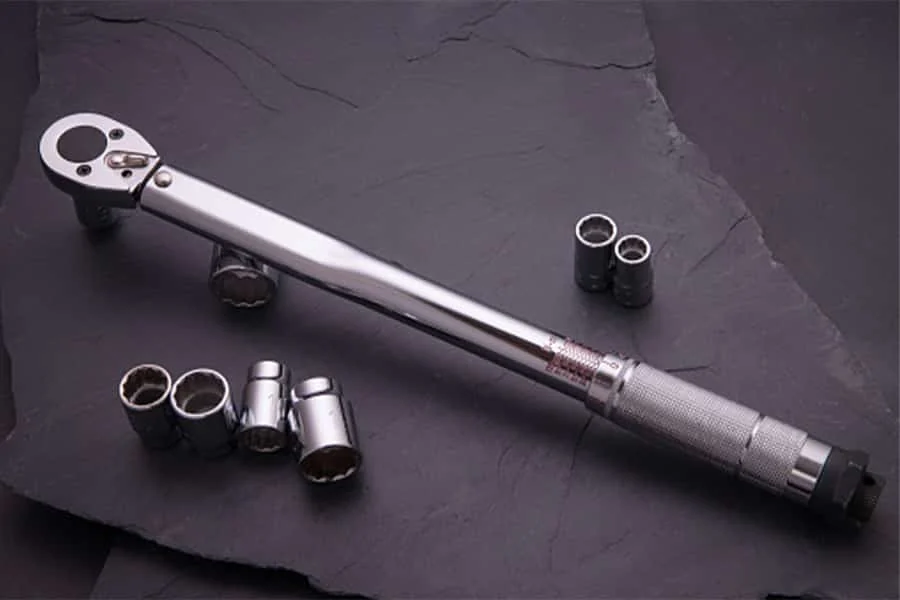
Tighten the fixings to the specified torque with the appropriate tool..
Check that the belt sits correctly in every groove and recheck tension using the engine-specific procedure.
Precautions when working on the belt drive
Pay particular attention to the following:
- Wear suitable gloves and eye protection and follow the workshop procedure.
- Read the workshop procedure for your vehicle and its specific engine.
- If you are not confident carrying out this work, contact a qualified garage.
- If the belt’s condition is uncertain, have it inspected. A damaged or worn belt needs replacement; adjusting tension cannot repair it..
Follow the engine-specific procedure and distinguish manual adjustment from automatic tensioning.
Inspect the auxiliary belt drive according to the maintenance schedule and have unusual noises checked promptly.